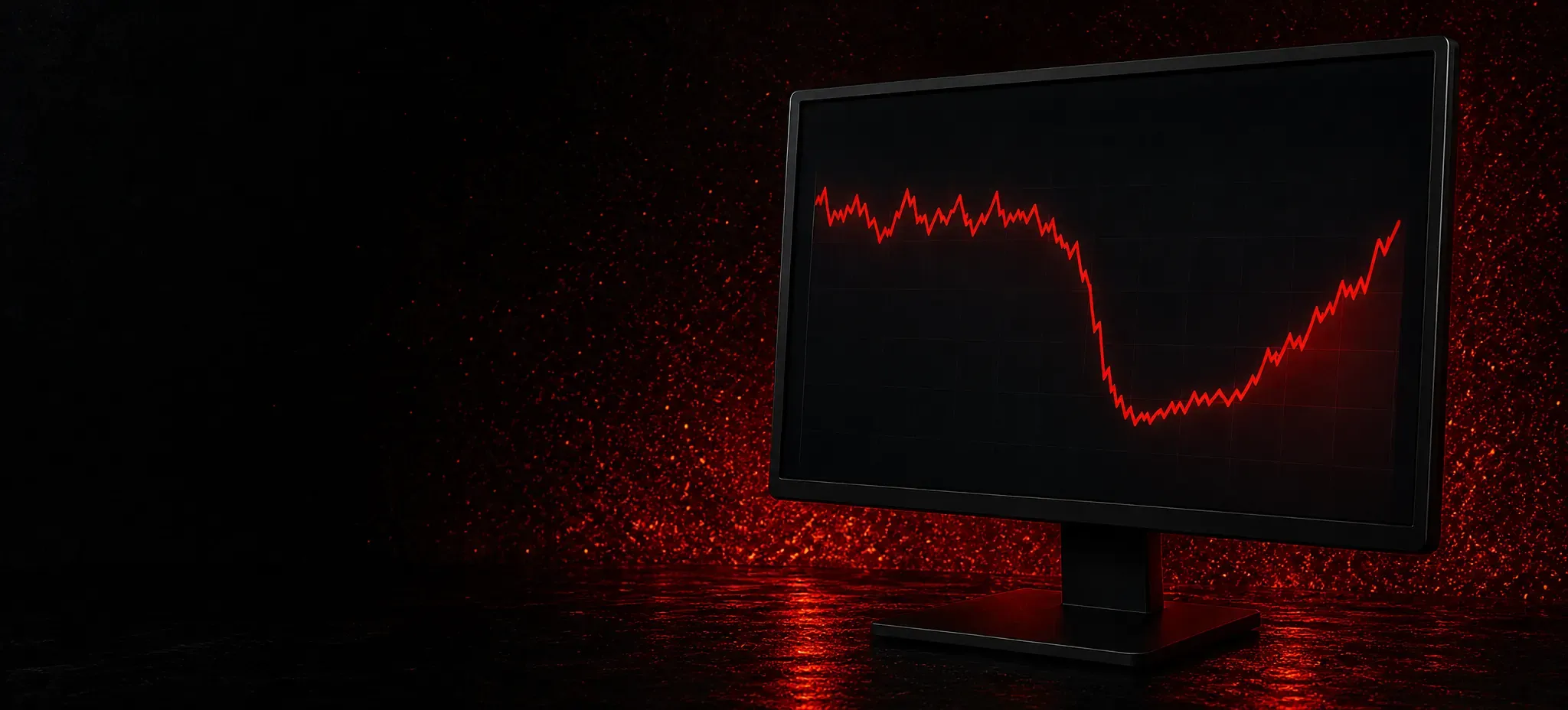
What causes a Google ranking drop
Google core update
Core updates re-rank whole sites at once. Pages that looked fine yesterday can lose to sites Google now trusts more.
Site migration or redesign
Changed URLs, missing redirects, lost internal links or a new template can break visibility overnight.
Technical SEO fault
A stray noindex, a blocked robots.txt rule, broken canonicals or rendering problems hide pages from Google.
Manual action or penalty
Unnatural links or spam policy violations can trigger a manual action from Google's reviewers.
Lost entity signals
When Google cannot connect your brand, services and place, it trusts the pages less and ranks them lower.
AI Overviews taking clicks
Rankings can hold while clicks fall, because AI Overviews answer the question on the results page.
Why a Google ranking drop needs a diagnosis, not a guess
Most SEO ranking recovery work fails because it starts with a fix instead of a cause. Rewriting content will not undo a missing redirect. Disavowing links will not undo a core update. Each cause leaves a different pattern in Google Search Console: which pages fell, which queries fell, on which day, and whether impressions fell or only clicks. Reading that pattern correctly is most of the job.
Diagnosis before treatment
I find the real reason your rankings dropped before I recommend a fix. No guesswork. Just data, patterns and SEO forensics.
- Search Console and analytics review
- Full site crawl
- Update timeline match
- Entity and content gap review
The SEO Fire Fighter Method
The ranking rescue process
Triage
Stabilize traffic and stop the bleeding.
Root cause
Find the exact reason the drop happened.
Fix in order of impact
Prioritize and ship the high impact fixes first.
Rebuild and monitor
Rebuild visibility and watch it hold.
How each type of ranking drop gets fixed
After a Google core update, the fix is rarely one page. Core updates reward sites Google understands and trusts. That means clear entity signals (who you are, what you do, where you do it), pages that fully answer the searcher's question, and a topical structure where every page supports the others. I map where you lost ground against the pages that now outrank you, then rebuild the weakest pages first.
After a site migration or redesign, the fix is usually mechanical and fast to verify: map old URLs to new ones, restore 301 redirects, recover internal links and structured data, and resubmit the sitemap. These drops often recover once Google recrawls the corrected pages.
After a technical SEO fault, I find the exact rule or template that hid your pages: a noindex tag, a robots.txt block, a canonical pointing the wrong way, JavaScript content Google cannot render, or server errors during crawling.
After a manual action, the work is cleanup plus documentation: remove or disavow the links or content that broke Google's spam policies, then file an honest reconsideration request in Search Console.
When AI Overviews take the clicks, the rankings are not the problem. The answer layer is. That is the job of AI search visibility and the rest of my AI SEO services: getting your brand cited inside the answer instead of buried under it.
What a ranking rescue includes
| Drop pattern | Likely cause | First fix |
|---|---|---|
| Sudden traffic cliff | Algorithm update or penalty | Match the update, fix violations, stabilize |
| Gradual traffic decline | Technical issues or content decay | Fix crawling and indexing, refresh content |
| Lost brand impressions | Entity signal loss or SERP changes | Rebuild entity signals, improve visibility |
Who Simon White's ranking rescue is for
Local businesses in Encinitas and across San Diego County whose calls dried up after an update. Ecommerce and SaaS brands whose organic revenue dropped after a replatform. Agencies with a client site in trouble and no time to dig. In every case you work with me directly, not a junior, and you see every change I make.
FAQ
How do I know if it was a Google update?
Line up the date your clicks dropped with Google's confirmed update dates. A drop that starts within a day or two of a core update and hits many pages at once points to the update. A drop on one section, one template or one day you changed something points to a technical cause or a migration. I check both before recommending anything.
Can you remove a manual action?
A manual action shows in Google Search Console under Security and Manual actions. I find the pages and links that caused it, clean them up, document the fix and write the reconsideration request. Google's reviewers make the final call, so nobody can promise the outcome, but a clean, honest request is the only path back.
Will my rankings come back?
It depends on the cause. Technical faults and migration errors often recover once fixed and recrawled. Core update losses recover when the site genuinely improves, which usually means stronger entity signals and more helpful pages, and the recovery is often seen at a later update. I tell you which case you are in after the diagnosis.
Do you work on agency client sites?
Yes. Agencies bring me in for rescues on their client sites, and I can deliver the work under the agency's brand. See all AI SEO services.
Find out what is really broken.
Free strategy call. I read every request myself and reply with the next step.